

About Permanent Makeup
Permanent makeup is a cosmetic procedure designed to enhance natural features in a subtle, long-lasting way. Rather than replacing makeup, it’s meant to simplify routines, restore balance, and create soft definition that still looks like you.
Every permanent makeup result is customized. Technique, pigment choice, skin type, and artist skill all play an important role in how results look — both immediately and over time.
What is Permanent Makeup?
Permanent makeup (PMU), also called cosmetic tattooing, involves implanting pigment into the skin to enhance features such as eyebrows, eyeliner, lips, and more. Unlike traditional body tattooing, permanent makeup is performed with specialized tools and pigments designed specifically for the face and delicate skin.
Results may be considered semi-permanent, as pigment gradually softens and fades over time. However, permanent makeup is a tattoo, and at least some pigment remains in the skin permanently over time.
Common Permanent Makeup Services
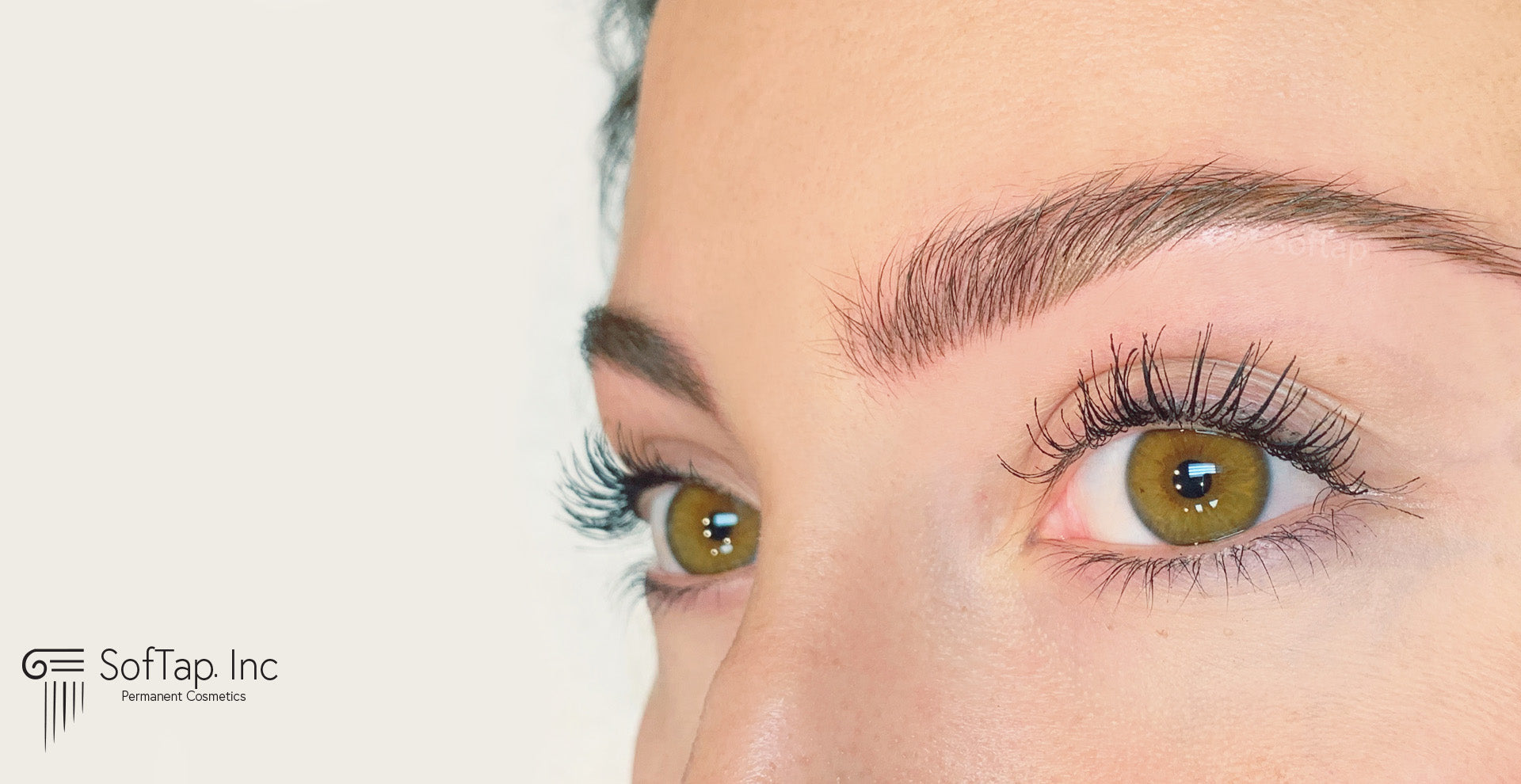
Eyebrows
Help improve your brow shape, symmetry, and fullness. Techniques range from crisp nano brows, microblading, to soft and dynamic powder brows & ombre brows.
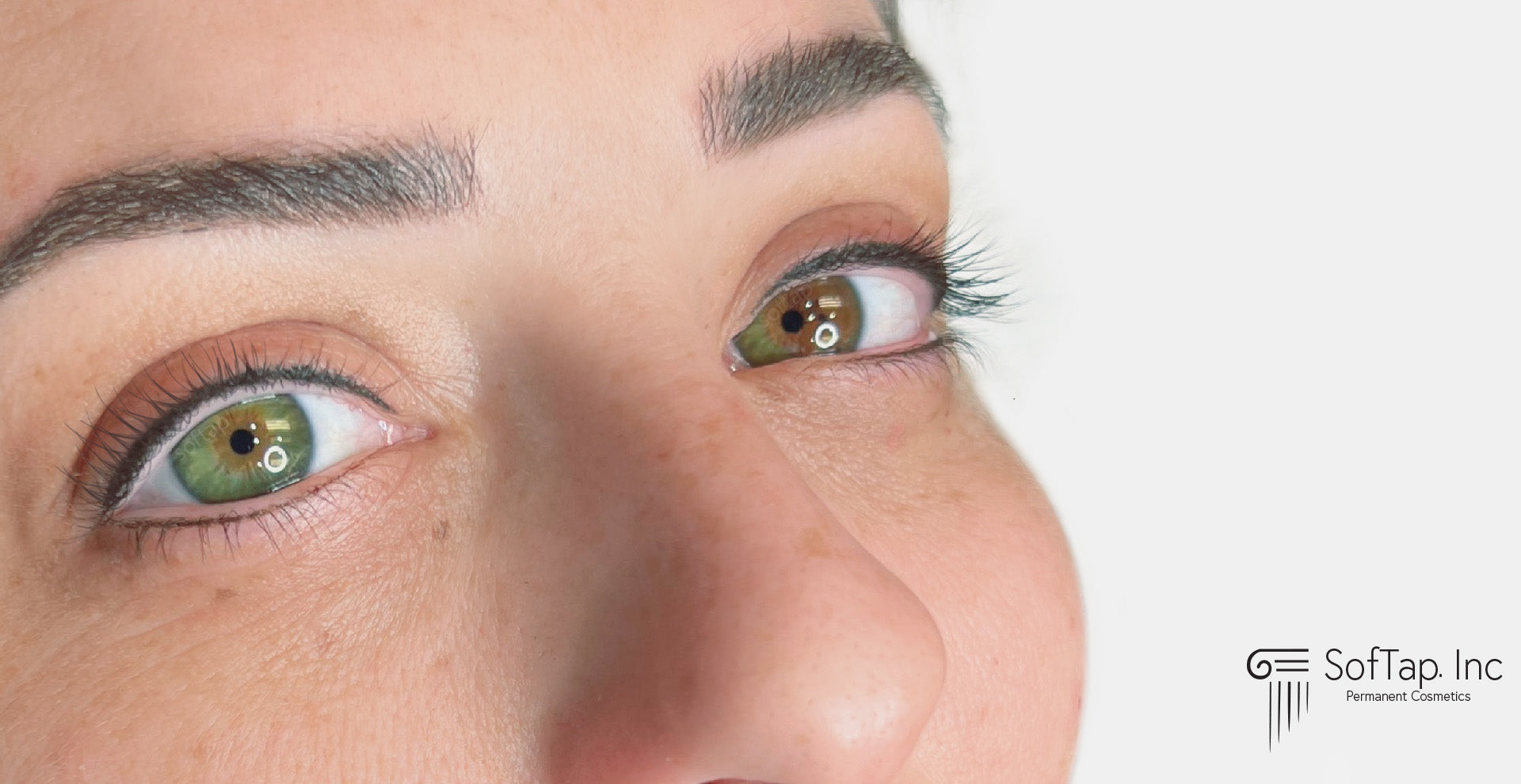
Eyeliner
Add a little oomph to your look with a lash enhancement, classic eyeliner, wings + tails, smoky & shaded looks; all while remaining natural and wearable.

Lips
Enhance natural color, even lip tone, or improve symmetry with lip blush, full lip, lip line + feather & ombre lip styles.

Specialty PMU
Nor only limited to makeup looks, you can also create natural dimension with 3D areola, scar & stretch mark camouflage, freckles + beauty marks & scalp micropigmentation.
Is Permanent Makeup Right For You?
Permanent makeup is chosen by people of all ages and skin tones. It may be a good option if you want to simplify your routine, enhance natural features, or address asymmetry or pigment loss.
A professional consultation is essential.
Skin type, lifestyle, medical history, and expectations all influence whether permanent makeup is appropriate and which approach will work best.

Safety, Healing & Results
Permanent makeup is not a one-hit-wonder, it requires care and regular maintenance to keep it looking fresh.
- Initial results often appear darker or stronger before softening
- Healing takes place over 4-6 weeks
- Regular touch-ups should be done every 1-3 years, or as needed
- Long-term results depend on skin, lifestyle, and the artist's technique
Following proper aftercare and working with a trained professional are key to achieving stable, natural-looking results.

Choosing a Qualified Artist
Not all permanent makeup is the same. Training, experience, tools, and pigments all affect outcomes.
When choosing an artist, it’s important to:
- Review their healed work if possible
- Understand the technique and pigments being used
- Have a thorough consultation before the procedure
Your permanent makeup appointment should feel calm, controlled, not rushed, and at least a little bit fun.
What Makes SofTap Artists So Special
SofTap artists are trained in the art of permanent makeup — not just the technical steps.
Artists around the world choose SofTap for its gentle, hand-method approach to permanent cosmetics, a non-machine technique that allows for greater control, precision, and skin respect.
The hand method is commonly used for delicate line work and soft color fills across procedures such as brows, eyeliner, lips, and more. Combined with SofTap tools and pigments, this approach supports natural-looking results that age beautifully over time.
If you’re ready to find a SofTap-trained artist and book a consultation, start here.
Frequently asked questions
How long does permanent makeup last?
Permanent makeup typically lasts 1–3 years before a touch-up is needed. While pigment usually doesn’t fade away completely, it does soften and become less noticeable over time as the skin naturally exfoliates and changes.
Does it hurt?
Most artists use topical numbing before and during the procedure to keep clients comfortable. Sensation varies from person to person — some clients find it painless, while others may experience moderate discomfort depending on pain tolerance and how their body responds to anesthetics.
Is it safe?
When performed by a trained professional, permanent makeup is considered very safe. Professional artists follow strict infection-control practices and use high-quality tools and pigments designed specifically for cosmetic tattooing.
Can results be adjusted over time?
Yes. Color adjustments can often be made during touch-ups. If shape changes are desired, partial removal may be necessary before refining the design. A qualified artist can help determine the best approach based on your goals.
Will my PMU change color?
When pigments are chosen correctly and implanted at the proper depth, they tend to fade true to tone over time. However, color shifts can still occur due to skin type, lifestyle, and individual healing. If this happens, tones can usually be neutralized or adjusted by an experienced professional, or addressed through removal if needed.
For more than three decades, SofTap has quietly supported the hands behind permanent makeup — so each client experience feels thoughtful, gentle, and rooted in care.